New Tires in Citrus Heights for Your Vehicle and Driving Needs
If you need new tires in Citrus Heights, start with the vehicle, not a brand name or a sale price. The right choice has to meet the vehicle manufacturer’s requirements, fit the wheels, carry the expected load, and suit the way you actually drive. After that, you can compare current options and costs without paying for features you do not need or choosing a tire that does not belong on the vehicle.
You do not need to know every tire term before calling. A few accurate details will get the conversation moving in the right direction.
Start With the Placard and Owner's Manual
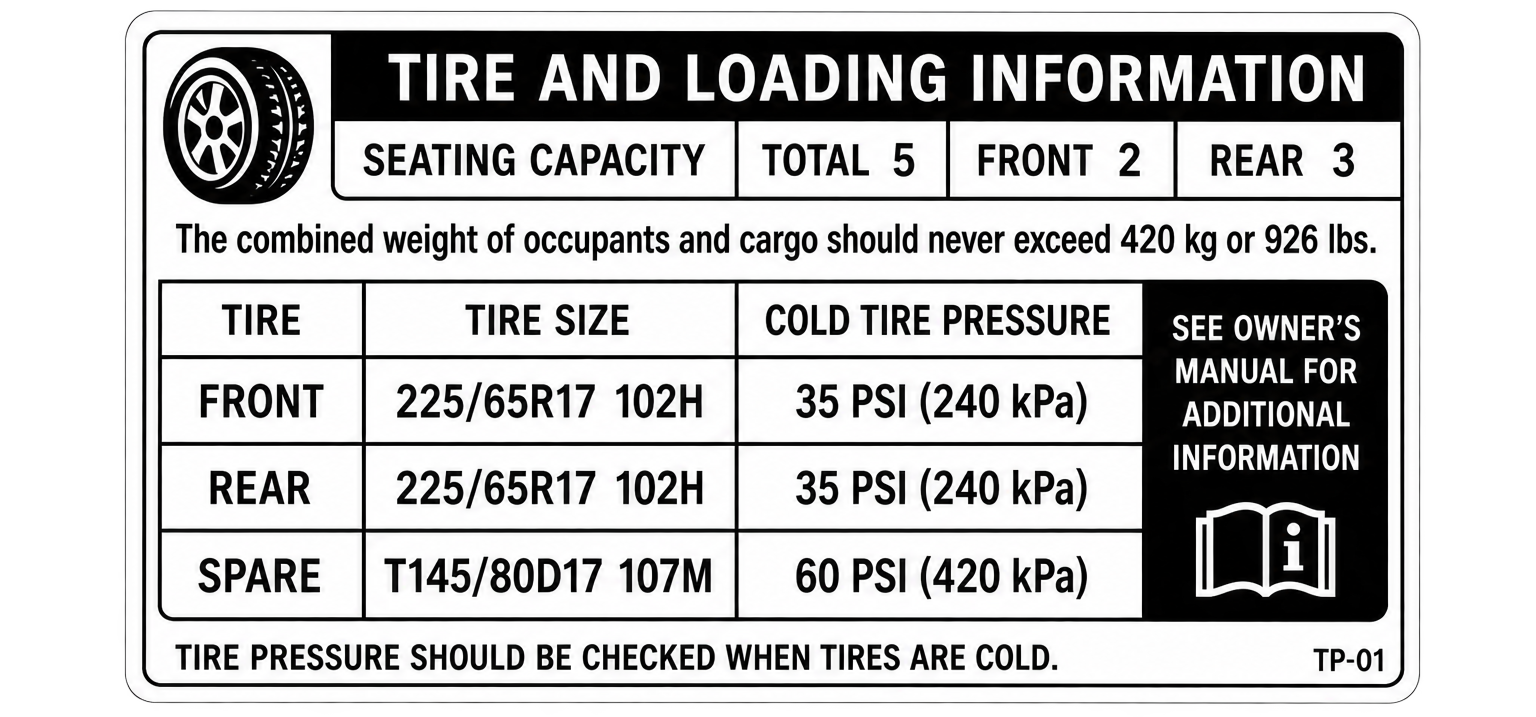
The Tire and Loading Information label is usually on the driver’s door edge or door post. It identifies the original tire size and recommended cold inflation pressure. The owner’s manual may add replacement restrictions, alternate sizes, rotation guidance, or special instructions for the vehicle.
Those sources matter more than copying the largest pressure number molded into the tire sidewall. NHTSA’s TireWise guidance directs drivers to the vehicle label or manual for the correct size and pressure.
Size is only the beginning. The load index relates to how much weight a tire can support, and the speed rating is part of the vehicle and tire manufacturer’s specification. Wheel diameter and width, clearance, and front-versus-rear requirements also matter. If you are considering a size different from the placard, do not guess. Alternate fitment needs qualified review and manufacturer guidance.
Match the Tire to the Driving You Really Do
Good advice about choosing new tires begins with an ordinary week. Do you make short local trips, spend long stretches on the highway, carry tools or cargo, tow, or travel to colder and snowier areas? Do you value a quieter ride, responsive handling, longer-wearing tread, or capability away from pavement?
Tire categories involve tradeoffs. An all-season design may suit varied everyday conditions, while summer, winter, performance, highway, or all-terrain tires serve different temperatures and uses. A label does not make one category universally better. The useful question is whether its intended conditions match yours and whether it meets the vehicle requirements.
Tell the shop about unusual loads, towing, mountain travel, frequent highway mileage, or a modified ride height. These details can change which options deserve consideration. Current products and fitment still have to be checked; this page does not promise that a particular type, brand, or size is in stock.
Know Why the Tires Need Replacement
Sometimes the answer is obvious: tread is worn out or the tire has a cut, bulge, exposed material, repeated pressure loss, or impact damage. Other times the tread looks acceptable from one angle while the inner edge is badly worn. A qualified inspection should consider the full tire and the related vehicle condition.
NHTSA says tires are worn out at 2/32 inch of tread and should be replaced when the tread is level with the built-in wear indicators. Replacement may be needed sooner for physical damage, irregular wear, age, or damage related to underinflation or overloading. A tire’s DOT Tire Identification Number includes a date code, but age limits and replacement recommendations may vary by vehicle and tire manufacturer.
Uneven wear is also a clue. Installing replacement tires in Citrus Heights without addressing an ongoing pressure, alignment, balance, or mechanical problem may allow the new tread to wear unevenly again. Inspection should determine what the pattern may mean; the wear pattern alone cannot diagnose one cause with certainty.
If the issue is a puncture, do not assume replacement or repair from a photo. Location, size, internal damage, prior repairs, tread condition, and manufacturer policy can change the answer.
Replacing One, Two, or All Four Tires
Replacing a complete set gives the clearest opportunity to match size, model, construction, and tread depth. But not every driver arrives needing four. Road damage or an unrepairable puncture may leave one tire out of service while the others still have tread.
USTMA replacement guidance recommends replacing all four tires together for optimal performance. When that is not feasible, it provides general matching and placement guidance, including placing two replacements on the rear axle. The vehicle manufacturer’s instructions still control, and a single replacement can affect wear, handling, suspension, or drivetrain behavior.
AWD and 4WD vehicles may have tighter limits on differences in tire circumference or tread depth. Some vehicles also use different front and rear sizes. Before mixing models or replacing fewer than four, have the whole set reviewed against the owner’s manual and current manufacturer requirements.
Compare the Complete Choice, Not Just the Tire Name
Once fitment is established, compare the options that are actually available. Useful questions include:
- What tire size, load index, and speed rating are being proposed?
- How does the tire type fit your normal roads, weather, load, and mileage?
- Are you comparing one tire, a pair, or a matching set?
- What is included in the installed quote, and which charges are separate?
- What written manufacturer, road-hazard, return, or service terms apply?
- Does the vehicle need any inspection beyond tire fitment because of uneven wear, vibration, or recent impact?
The answers should be specific to the current product and vehicle. This draft intentionally makes no promise about brands, stock, prices, warranties, free services, financing, or installation time.
If you are still deciding between product categories, you can compare all current tire options or review the separate used-tire options. The pages serve different decisions; neither makes fitment automatic.
What to Have Ready When You Call
A new tire shop in Citrus Heights can give a more useful answer when you provide:
- Vehicle year, make, model, and trim.
- Current tire size from the placard or sidewall.
- Whether you need one tire, two, or a complete set.
- AWD, 4WD, towing, load, or vehicle-modification details.
- Normal driving, including highway mileage or seasonal travel.
- Any pressure loss, vibration, pull, uneven wear, puncture, or recent impact.
- Your approximate budget for the complete installed work.
Bring the vehicle when inspection or final fitment confirmation is needed. A tire size sent by message may help narrow the search, but it cannot confirm the condition of the other tires, the cause of uneven wear, or every vehicle-specific limit.
Ask About Current Options for New Tires in Citrus Heights
Sam’s Tires & Wheels offers new tires and tire installation, subject to current product availability, vehicle fitment, and confirmed service scope. Before authorizing tire installation in Citrus Heights, ask for the exact tire details, installed quote, included services, and written terms.
For help comparing new tires in Citrus Heights, call Sam’s Tires & Wheels at (916) 723-0110 or visit 6296 Greenback Ln, Citrus Heights, CA 95621, United States. Have the vehicle information and driving needs ready so current compatible choices can be discussed. Website: https://samstiresandwheels.com/.